- 2026-01-27
What Is Ozone Water Treatment?
What Is Ozone Water Treatment?
Ozone water treatment is a method of improving water quality using ozone (O₃). It kills bacteria, decomposes pollutants, and makes the water cleaner. Ozone is highly effective; it can rapidly eliminate bacteria and viruses in water and break down complex organic substances.
Ozone has strong oxidising power, effectively removing odours from water and treating substances such as iron and manganese. Unlike other chemical methods, ozone leaves no chemical residue after use and quickly reverts to oxygen. This makes the treated water safe to drink. Because of these advantages, ozone water treatment is widely used.
How Does Ozone Water Treatment Work?
Ozone water treatment involves several steps, primarily relying on the oxidising power of ozone. First, an ozone generator produces ozone, usually through electrical discharge, converting oxygen molecules into ozone. The ozone is then dissolved into the water using methods such as aeration or injection.
Once in the water, ozone reacts with pollutants. It decomposes organic matter, eliminates microorganisms, and causes metals such as iron and manganese to precipitate. During this process, ozone molecules release an oxygen atom, altering or destroying the structure of the pollutants. Any unreacted ozone reverts to oxygen and does not remain in the water. Therefore, ozone water treatment removes bacteria, viruses, and odours, making the water clean and palatable.
What Are Some Common Ozone Water Treatment Equipment?
Depending on specific requirements, different equipment can be used for ozone water treatment. The main types include:
Cold plasma ozone generator: Uses electrical discharge to create plasma oxygen, which then converts into ozone. This equipment consumes less electricity, produces high ozone concentrations, and can be used in various settings.
Corona discharge ozone generator: Also known as an electrical discharge ozone generator, this is the most common type. It passes dry air or oxygen through a high-voltage electric field, converting oxygen molecules into ozone. It is suitable for industrial use.
Electrolytic ozone generator: Directly electrolyses water to produce ozone, without requiring an external oxygen source. Although it produces less ozone, it is simple and often used in specific applications.
Ultraviolet ozone generator: Uses ultraviolet light to convert oxygen into ozone. This type of equipment is generally compact, produces a moderate ozone concentration, and is mainly used in small-scale water treatment systems.
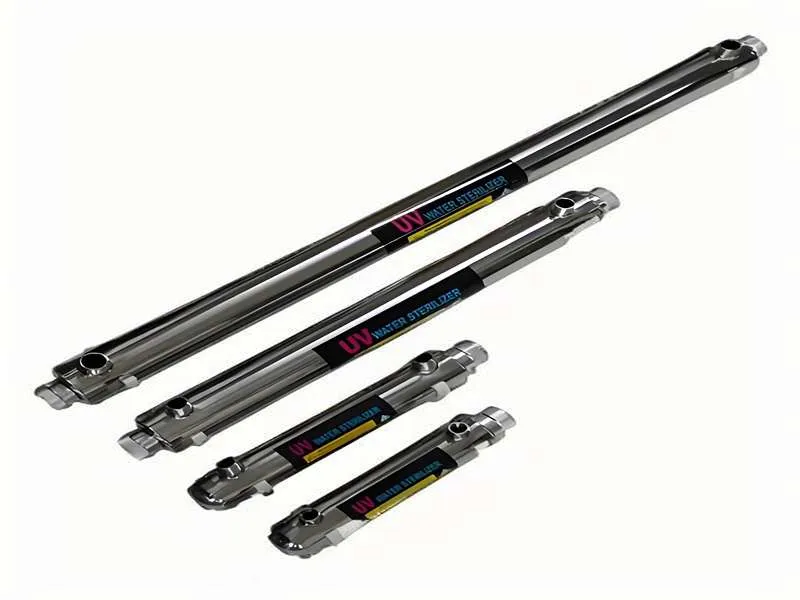
Ozone technology is often combined with filters and UV disinfection equipment to create a comprehensive water treatment solution.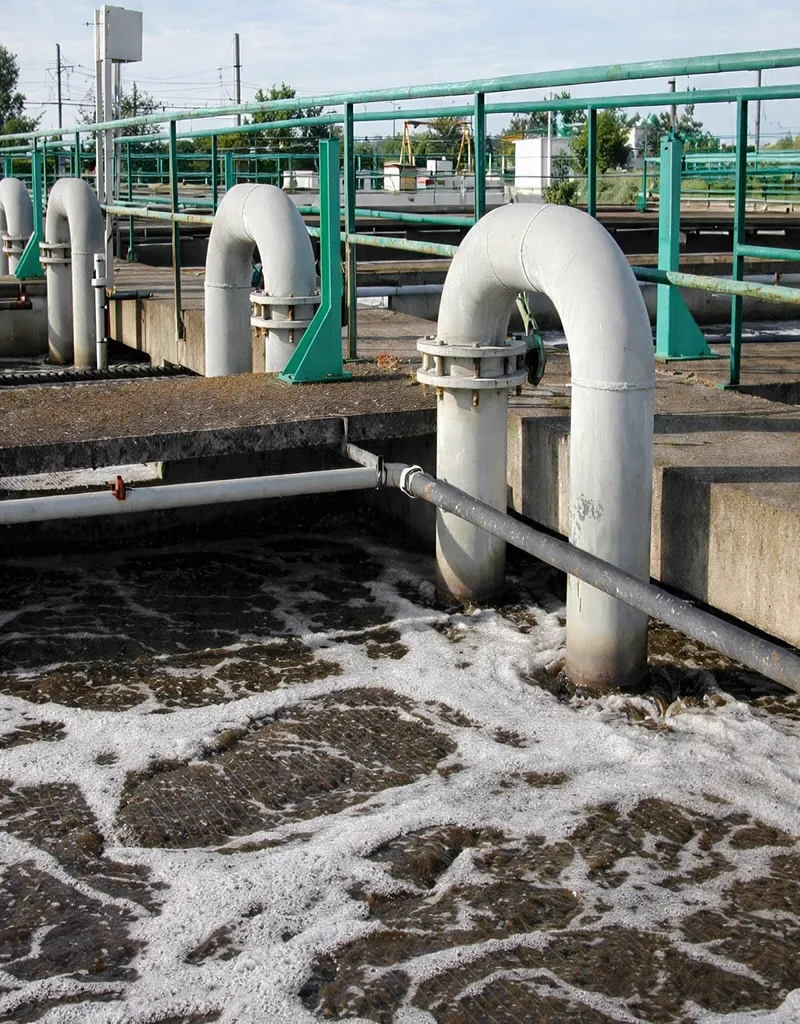
What Pollutants Can Ozone Water Treatment Remove?
Ozone has strong oxidising power and can address many water quality issues, including:
Chemical pollutants: pesticides, pharmaceuticals, industrial chemicals
Microorganisms: harmful bacteria such as E. coli and Salmonella
Metal ions: iron, manganese, etc.
Viruses: hepatitis virus, norovirus
Odour-causing substances: sulphides, geosmin
Organic impurities: dissolved organic carbon, etc.
Protozoa: Giardia, Cryptosporidium
Inorganic compounds: nitrites, sulphides, cyanides
Turbidity substances: suspended particles, colloids, etc.
Main advantages of ozone water treatment
Strong oxidising power: Ozone is one of the strongest oxidisers, and reactions occur rapidly.
No added chemicals: Does not introduce other substances into the water.
Odourless: The treated water has a pleasant taste.
Environmentally friendly and safe: Decomposes into oxygen and is harmless.
Wide range of applications: Effective against bacteria, viruses, and chemical pollutants.
Reduced chlorine use: Less chlorine disinfection is required.
Improved water clarity: Removes turbidity and colour.
Inhibits biofilm: prevents biofilm growth in pipes
Low long-term cost: higher initial investment, but lower maintenance costs over time
Disadvantages of ozone water treatment
High initial investment: purchasing an ozone generator is expensive
Requires expertise for operation: design, operation, and maintenance require a high level of skill
Ozone dissipates quickly in water: it is difficult to maintain long-lasting disinfection
The gas is somewhat irritating: safe operation is necessary to avoid inhalation
High power consumption: ozone production requires significant electricity
May produce other oxides: in some cases, other oxides may form
Corrosive to materials: some pipes require ozone-resistant materials
Affected by water quality: optimal operation requires specific water turbidity, pH, and temperature conditions
Where Is Ozone Water Treatment Used?
Ozone water treatment is used in industrial, municipal, commercial, and residential settings. In industry, it is commonly used for process water purification and wastewater treatment; in municipalities, it is used for drinking water disinfection and odour control; commercially, it is applied in food processing, aquaculture, and cooling water systems. With increasing demand for higher water quality, application ozone water purification equipment is also becoming more common.
If you have any further questions, please contact us.