- 2026-01-22
How To Remove Tannins From Water
What Are tannins?
Tannins are natural organic compounds produced from the decomposition of plants. Common sources in everyday life include tea leaves, tree roots, leaves, grape skins, and unripe fruits. Tannins react with proteins to form precipitates and are soluble in ethanol and water. They are often found in surface water and shallow wells in coastal and low-altitude areas. Therefore, removing tannins from water is a common requirement in water treatment.
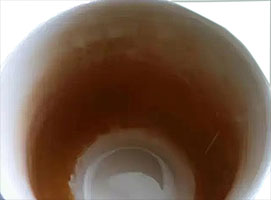
Water flowing through areas rich in humus dissolves plant particles, giving it a distinctive tea-coloured appearance. This colour is often mistaken for pollution, but it is actually caused by tannins in the water.
Harmful Effects Of Tannins
Tannins are natural compounds found in plants, mainly present in foods such as coffee, red wine, and nut milks. Excessive intake of tannins can have adverse effects on the body, including indigestion, impaired iron absorption, and allergic reactions. For example, in wood processing, removing tannins from wood can reduce tannin exposure, but tannins in food also require attention.
1. Indigestion
Tannins can cause a constricting or tightening sensation in the oral mucosa. Excessive intake may lead to excessive contraction of the gastrointestinal tract, resulting in problems such as diarrhoea and indigestion.
2. Osteoporosis
Tannins interfere with the body's absorption of calcium, which can lead to fatigue, anaemia, and, in the long term, osteoporosis.
3. Allergic reactions
Tannins may cause itching and difficulty breathing. People with a history of allergies should follow their doctor's advice and avoid excessive tannin intake. Understanding specific methods, such as how to remove tannins from acorns, can help reduce the risk of allergic reactions.
Tannin Removal Methods
Tannin removal is significantly influenced by regional vegetation characteristics and requires targeted processes. Current mainstream technologies include solutions for removing tannins from water, removing tannins from wood, and methods for removing tannins from acorns.
1. Ion Exchange Technology
Ion exchange is the preferred method for removing tannins from drinking water. It works by exchanging ions in a solid ion exchange medium with ions in a dilute solution, thereby removing certain ions from the water. This process is a mass transfer separation technique. The system should be used alongside pre-treatment processes to ensure operational efficiency. Pre-softeners, multi-media filters, UV light, or ultrafiltration can effectively prevent resin contamination and enhance tannin adsorption. Regular regeneration of the resin with saline solution and sodium bicarbonate is essential; otherwise, exhausted resin may cause unpleasant odours in the water. This method is widely used for removing tannins from water.
2. Reverse Osmosis System
Reverse osmosis effectively intercepts and removes tannins and particulate matter due to the high molecular weight of tannins. However, tannins can easily foul reverse osmosis membranes, necessitating enhanced pre-treatment and maintenance. The system is highly adaptable to fluctuations in influent water quality. This technology is also used to remove tannins from wood in certain industrial processes.
3. Oxidation Process
Oxidising agents such as chlorine can effectively decompose tannins. Optimal dosage and contact time require bench-scale testing. Certain activated carbon systems can also reduce tannins to acceptable levels. For removing tannins from acorns, similar oxidation or adsorption methods may be applicable to ensure effective tannin removal.