- 2025-12-19
Reduction Of Biochemical Oxygen Demand (BOD) In Wastewater Treatment
1. Reduction Of Biochemical Oxygen Demand
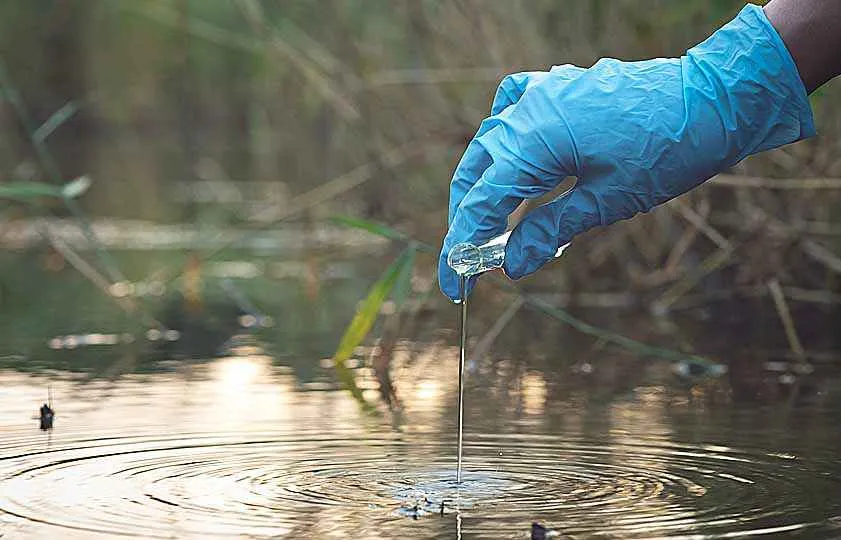
Biochemical oxygen demand (BOD) is a crucial parameter for assessing water pollution and its support for aquatic life. Higher BOD levels indicate heavier organic pollution, leading to oxygen depletion and impacting the aquatic ecosystem. Therefore, BOD monitoring is the most effective measure for pollution reduction and wastewater treatment.
2. What Is Biochemical Oxygen Demand (BOD)?
Biochemical oxygen demand (BOD, measured in mg/L) is the amount of dissolved oxygen required to decompose organic matter in water into inorganic matter through an oxidation process at a certain temperature. It is an important indicator of the concentration of oxygen-demanding pollutants.
BOD is a crucial parameter in water pollution. Microorganisms in wastewater and polluted water utilize the oxygen required for the growth and reproduction of organic matter, thus reducing BOD.
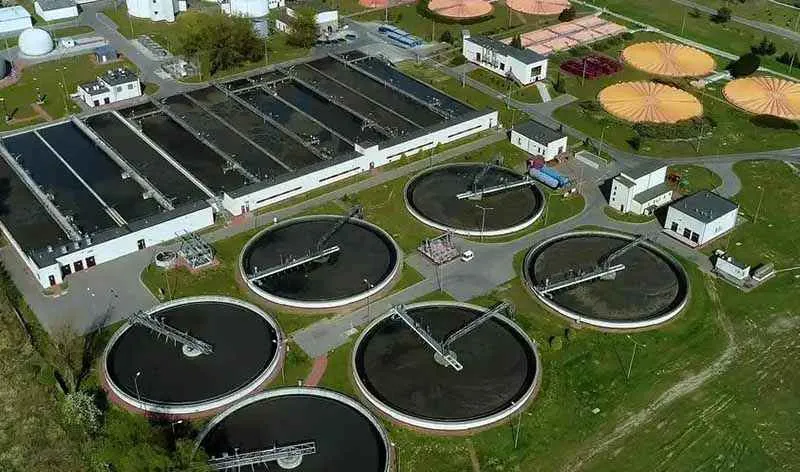
If too much of this pollutant is discharged into the water, it will lead to a deficiency of dissolved oxygen. Simultaneously, the decomposition of organic matter by anaerobic bacteria in the water causes putrefaction, producing large amounts of hydrogen sulfide, methanethiol, and ammonia, which deteriorates the water and emits a foul odor. Therefore, wastewater treatment is both complex and simple.
The oxidative decomposition of organic matter in general wastewater takes more than 100 days. To achieve this faster, the biochemical oxygen demand (BOD5) is represented by the oxygen consumption of the tested water sample over five days at 20°C. For domestic wastewater, it is approximately 70% of the oxygen consumption for complete oxidative decomposition.
3. How To Reduce BOD In Wastewater Treatment? What Are The Removal Pathways?
To reduce BOD (Biochemical Oxygen Demand) in wastewater, various treatment methods can be used. Here are some common methods:
Wastewater pretreatment: First, physical methods such as sedimentation, filtration, or centrifugation are used to remove suspended solids and precipitates, reducing the load on subsequent treatments and improving overall efficiency.
Biodegradation technologies:
Activated sludge process: Under aeration conditions, microorganisms in sludge decompose organic matter, effectively reducing BOD.
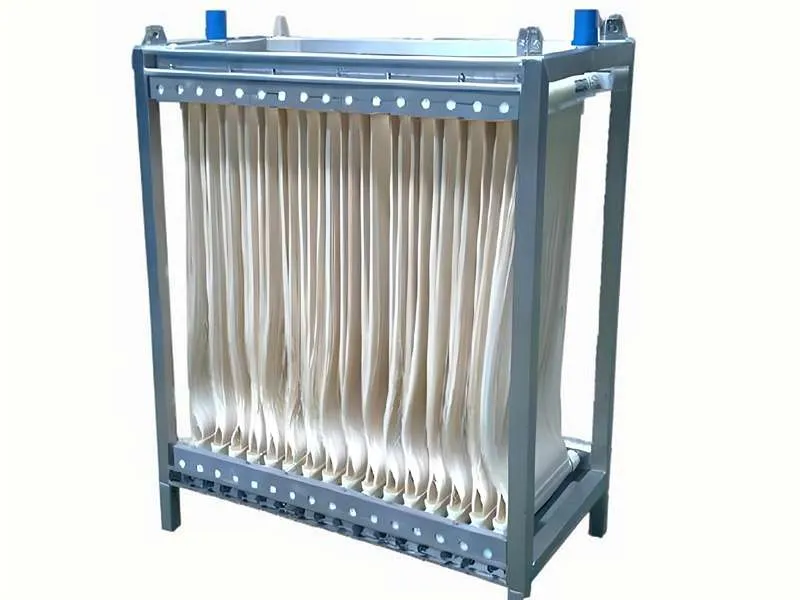
Biofilm process: Wastewater flows through a fixed membrane with attached microorganisms, removing organic pollutants through biological adsorption and degradation.
Anaerobic treatment: Under anaerobic conditions, anaerobic bacteria decompose some organic matter, suitable for specific types of wastewater.
Aeration: Air is introduced into the water to increase dissolved oxygen concentration, promote aerobic microbial metabolism, and accelerate organic matter decomposition.
pH adjustment: The pH is adjusted according to the wastewater characteristics to maintain optimal microbial activity and enhance BOD removal.
Chemical oxidation: Technologies such as ozone or photocatalytic oxidation are used to convert organic matter into carbon dioxide and water through strong oxidation.
Physicochemical methods: Including adsorption and ion exchange, these methods utilize the high adsorption or exchange capacity of materials to remove dissolved organic matter.
Advanced oxidation processes: Combining oxidants such as ozone and hydrogen peroxide, these processes can rapidly degrade recalcitrant organic matter, significantly reducing COD and BOD.
Electrochemical treatment: Organic matter is oxidized or precipitated under an electric field through mechanisms such as electrolysis and electrocoagulation.
In practical applications, the wastewater composition, treatment cost, and effectiveness must be comprehensively considered, and combined processes can be used to achieve optimal treatment goals.
4. Key Technologies for Reducing BOD in Wastewater Effective reduction of biochemical oxygen demand (BOD) in wastewater relies on the synergistic effect of physical, chemical, and biological methods.
Key technological directions include:
Biological Treatment Processes: Centered on microbial degradation, common forms include activated sludge processes (typically achieving 85%–95% BOD removal), biofilm processes (such as biofilters and contact oxidation), and anaerobic-aerobic combined processes suitable for high-concentration wastewater.
Pretreatment and Enhancement Methods: Preliminary treatments such as screen interception, sedimentation separation, or coagulation and flocculation remove suspended solids and grease; combined with chemical oxidation (such as ozone) or micro-electrolysis technology, decompose recalcitrant organic matter.
Operation Control and Optimization: By monitoring key parameters such as dissolved oxygen and sludge concentration, nutrient ratios and hydraulic retention time are rationally adjusted to maintain microbial activity; aeration can be extended when necessary to improve the removal rate of recalcitrant substances.
Advanced Treatment Measures: To meet higher water quality requirements, sand filtration, activated carbon adsorption, or membrane separation systems can be subsequently connected to further remove residual organic matter and suspended particles.
Systematic management strategy: This encompasses source reduction, regular equipment maintenance, and water quality and quantity adjustment (such as setting up equalization tanks) to ensure the long-term stable operation of the treatment system.
The above technologies can be flexibly combined according to wastewater characteristics (BOD concentration, biodegradability, etc.) to achieve efficient and economical BOD removal.
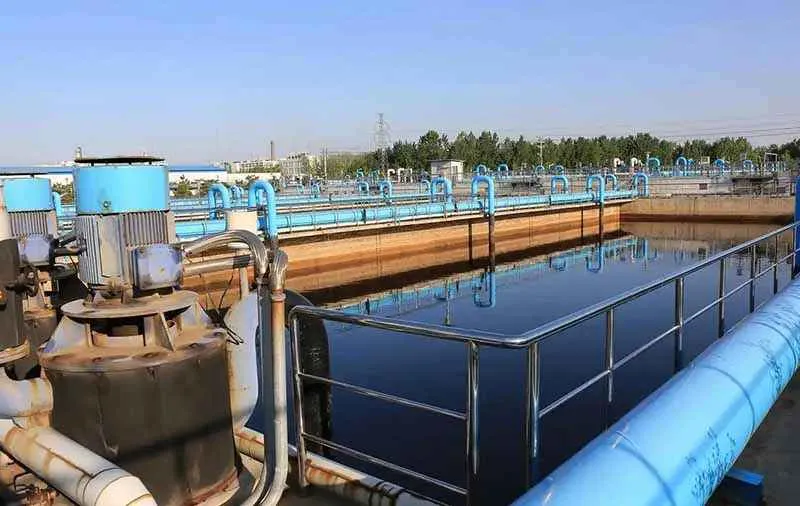
5. Comparison table of technologies for reducing Biochemical Oxygen Demand (BOD)
| Technique | COD mg/l | BOD mg/l | TSS mg/l | Oils/Fats | Surface. | Energy | Maintain. | Sludge |
|---|---|---|---|---|---|---|---|---|
| FQ(Decant.) | 700 | 400 | ≤100 | ≤15 | BIG | BAJA | UNDER | ALTA |
| FQ(DAF) | 500 | 300 | ≤50 | ≤5 | MEDIA | MEDIA | UNDER | MEDIA |
| Aeration + Decant. 2º | ≤150 | ≤50 | ≤40 | ≤5 | VERY LARGE | BAJA | UNDER | VERY HIGH |
| Aeration + DAF | ≤120 | ≤40 | ≤30 | ≤2 | BIG | LOW - MEDIUM | UNDER | ALTA |
| Aeration + MBR | ≤100 | ≤25 | ≤10 | ≤1 | MEDIA | MEDIA | MEDIO | ALTO |
| MBBR | ≤150 | ≤40 | ≤40 | ≤5 | MEDIA | BAJA | MEDIUM - LOW | BAJA |
| Tertiary (UF) | ≤50 | ≤10 | ≤1 | ≤0,5 | BAJA | MADIA - ALTA | MEDIUM - HIGH | BAJA |
Summary
Reducing the concentration of biochemical oxygen demand (BOD) in wastewater is one of the key steps to achieving compliant discharge. BOD is not only a common water quality indicator but also a pollution parameter with a significant impact on the ecological environment.
We focus on providing targeted solutions to clients, comprehensively meeting their individual treatment needs. To this end, Fupeng Environmental Protection has established various process combinations and, through in-depth communication and collaboration, designs wastewater treatment systems tailored to the specific circumstances of different clients. Whether it involves food processing, chemical production, or other industrial sectors, we possess mature technical reserves and project experience, enabling us to effectively control and reduce BOD.
We welcome you to contact us at any time to discuss how to optimize your wastewater treatment process, meet discharge requirements, and provide reliable support for environmental protection and production safety.
If you have any further questions, please contact us.
You might also like: