- 2026-02-11
How to Effectively Remove Microplastics from Drinking Water?
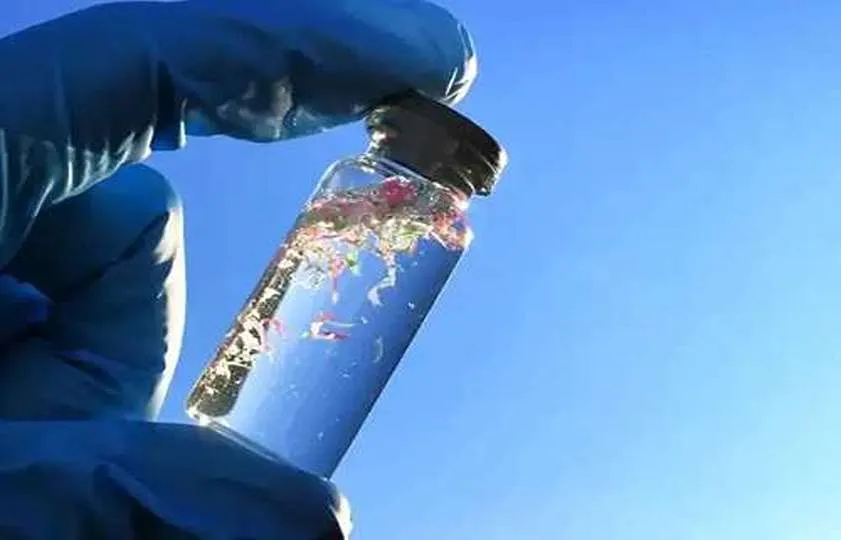
Against the backdrop of increasingly severe environmental pollution, microplastics have become a global concern as pollutants. These tiny particles have infiltrated the food chain, water sources, and even the atmosphere, posing significant threats to ecosystems and human health. With the continuous growth in plastic product usage, groundwater pollution is becoming increasingly serious. This article explores the characteristics of microplastics, their pollution pathways, and various effective drinking water purification technologies to help you choose the best solution for microplastic contamination. So, how can we avoid microplastics in water?
What are the main types of microplastics?
The main types of microplastics are classified based on their composition, including polyethylene (PE), polypropylene (PP), and polystyrene (PS). They are also categorized by their origin into two types: primary microplastics, which are manufactured to be small (such as microbeads), and secondary microplastics, which are fragments of larger plastic items.
By composition.
Polyethylene (PE): The most common type, used in plastic bags and water bottles, as well as in microplastic filters.
Polypropylene (PP) is another widely used type of plastic, commonly found in packaging materials and automotive components.
Polystyrene (PS) is commonly used in foam packaging and disposable products.
Polyvinyl chloride (PVC) is a durable plastic commonly used in construction and various other industries.
Polyethylene terephthalate (PET) is commonly used in the production of bottles and textiles.
Polyester (PES) is a synthetic fiber commonly used in fabric production.
Polyamide, commonly known as nylon, is used in textiles and fishing nets.
Polyurethane (PU) is commonly used in foams and coatings.
By origin
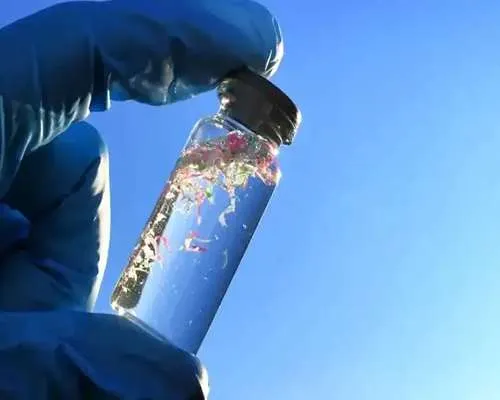
Primary microplastics are intentionally manufactured to be small in size. Examples include microfibers from synthetic clothing and microbeads used in personal care products.
Secondary microplastics are formed from the breakdown of larger plastic items through physical, chemical, and biological processes. Examples include fragments from plastic bags, bottles, and fishing gear.
Does reverse osmosis remove microplastics?
Yes, reverse osmosis (RO) systems are highly effective at removing microplastics from water, capable of eliminating up to 99.9% of them. This effectiveness is due to the ultra-fine pores in RO membranes, which are as small as 0.0001 microns—small enough to block microplastics and other tiny contaminants such as bacteria, viruses, and heavy metals. However, if the RO system is not properly maintained and the membrane deteriorates over time, it could potentially become a source of microplastics itself.
How Reverse Osmosis Removes Microplastics
Fine Filtration: RO systems force water through a semi-permeable membrane with extremely small pores, effectively filtering out contaminants, including microplastics.
Comprehensive removal: In addition to microplastics, reverse osmosis (RO) systems effectively eliminate a wide range of other contaminants, including lead, arsenic, various chemicals, and pathogens.
Proven Effectiveness: Numerous studies have demonstrated that reverse osmosis (RO) systems can remove a very high percentage of microplastics from tap water.
Important Considerations
Maintenance is crucial: For an RO system to continue effectively removing microplastics, it must be maintained regularly. Filters should be replaced according to the manufacturer's recommendations, typically every 6 to 12 months.
Aging membranes can shed particles. As reverse osmosis (RO) membranes age, they may begin to degrade. This degradation can cause the membrane to release microplastic particles into the water, compromising the filter's effectiveness.
The most effective water filter for removing microplastics is a reverse osmosis (RO) system. Its fine semi-permeable membrane can filter out particles as small as 0.0001 microns, including microplastics. Other effective options include ultrafiltration (UF) systems and certain activated carbon filters with small pore sizes; however, RO remains the most comprehensive method available.
Top-tier option.
Reverse osmosis (RO) systems are widely considered the gold standard for removing microplastics.
How they work: They use pressure to force water through a membrane with extremely small pores (approximately 0.0001 microns), effectively blocking microplastics, bacteria, viruses, and other contaminants.
Effectiveness: Modern reverse osmosis (RO) systems can remove up to 99% of microplastics from water.
Other Effective Options
Ultrafiltration (UF) systems are a highly effective alternative that use membranes with slightly larger pores, ranging from 0.01 to 0.1 microns.
How they work: The smaller pores block most microplastics, often using less water and operating at lower pressure than RO systems.
Activated carbon filters can reduce microplastics; however, their effectiveness depends on the pore size of the specific filter used.
How They Work: These filters effectively remove a wide range of contaminants; however, a smaller pore size is required to capture microplastics efficiently.
Health Risk Assessment of Microplastics
Multiple scientific studies confirm that microplastics can potentially cause the following effects on the human body:
Inducing cellular oxidative stress and inflammatory responses.
Disrupting the balance of the gut microbiota.
Potential endocrine-disrupting effects.
Acting as carriers of toxic chemical substances.
Although the long-term health effects require further research, there is a consensus on the need to reduce exposure. The World Health Organization has called for strengthened drinking water safety regulations, and California has taken the lead by enacting mandatory periodic monitoring of microplastics in water supply systems.
Effective Water Treatment Technologies for Microplastic Removal
1. Reverse Osmosis Water Filter for Microplastic Removal
Reverse osmosis (RO) technology achieves highly efficient separation through a semi-permeable membrane with pores as small as 0.001 microns (1 nanometer), effectively retaining microplastics of all sizes.
System Advantages: Removes more than 99% of contaminants.
Simultaneously removes heavy metals, viruses, and other harmful substances.
The system has a lifespan of three to five years.
Relatively low maintenance costs.
Technical Limitations:
Produces concentrated wastewater.
Requires a stable water inlet pressure.
The filtration speed is relatively slow.
2. Ultrafiltration Purification Technology
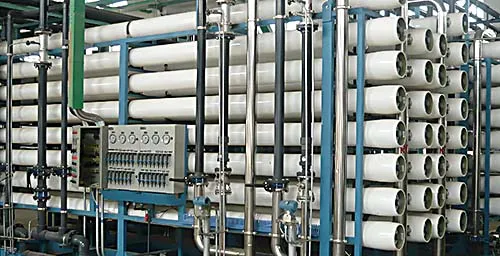
Ultrafiltration (UF) systems use a 0.02-micron hollow fiber membrane to effectively remove microplastics while retaining beneficial minerals.
Technical Features:
The filtration rate is 3 to 4 liters per minute.
Zero wastewater discharge has been achieved.
Wide applicability; operates at low pressure.
Retains beneficial minerals in the water.
Applicable Scenarios:
Areas with low water hardness levels.
Regions with stringent water conservation requirements.
Users concerned about their mineral intake.
Professional Recommendations and Selection Guide
To ensure the safety of drinking water, the following measures are recommended:
Prioritize integrated processes by employing multi-stage filtration systems that combine reverse osmosis with activated carbon pre-filtration.
Integrate reverse osmosis with activated carbon pre-filtration.
Focus on Certification Standards: Choose products certified to NSF/ANSI 53 and 58 standards.
Regular Maintenance and Replacement: Strictly follow the manufacturer's guidelines for filter replacement to prevent secondary pollution.
Conduct Water Quality Testing First: For specific regions, consider sending water samples to a laboratory for contaminant analysis.
Special Reminder: Currently, there are no reliable rapid testing methods available for home use, and professional laboratory analyses can be relatively expensive. Therefore, it is advisable to use proven water filtration solutions as preventive measures.
By implementing an appropriate water treatment solution, the risks of daily microplastic exposure can be significantly reduced. Various technologies offer distinct advantages; users should select the optimal configuration based on local water quality, usage requirements, and budget. With ongoing technological advancements, new filter materials such as graphene membranes and smart adsorbents are being developed, promising more efficient drinking water purification solutions in the future.
If you would like to learn more about professional consultation on microplastic removal technology, please feel free to contact our team of technical experts. We will provide personalized water treatment solutions tailored to your specific needs.
You might also like: