- 2025-12-25
Guide For Selection Of Bilge Pumps For Boat
一、A Comprehensive Guide to Bilge Pumps for boat: Types, Selection, and Installation
Bilge pumps for boat are essential marine equipment designed to discharge sludge and accumulated water from a ship's bilge. Selecting the right pump is critical for vessel safety and efficiency. This guide covers the main types of bilge pumps for a boat, how to select the correct size, and key installation rules.Types of Marine Bilge Pumps:
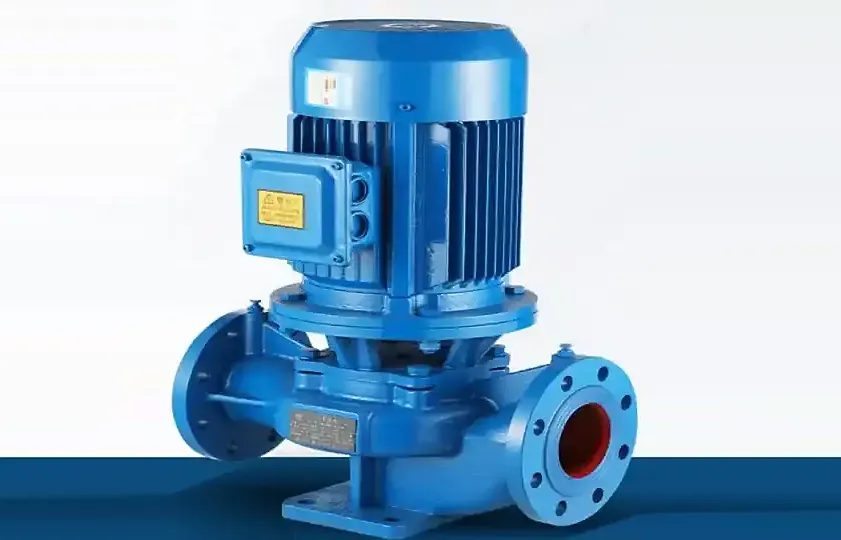
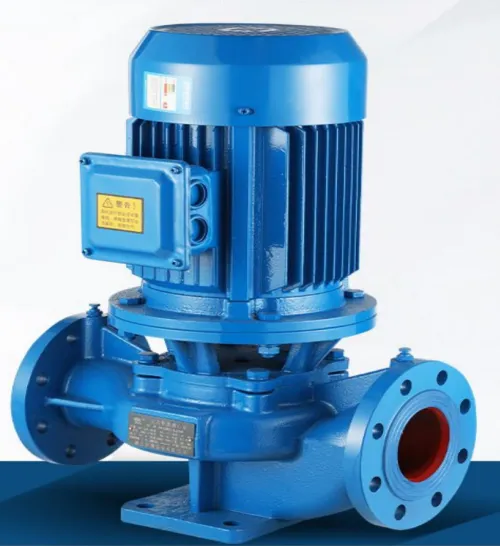
1.Centrifugal Bilge Pump:This common type of boat bilge pump uses centrifugal force to move water out of the bilge.
Advantages:Simple structure, easy maintenance, and suitability for most standard vessels.
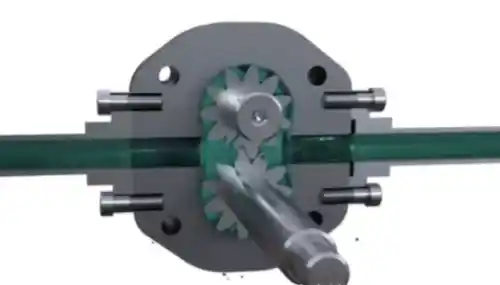
2.Rotary Bilge Pump:This water pump utilizes rotating impellers or gears to displace water, making it highly effective for moving viscous fluids.
Advantages:Offers a larger flow rate at a lower head, ideal for ships with high-volume drainage requirements.
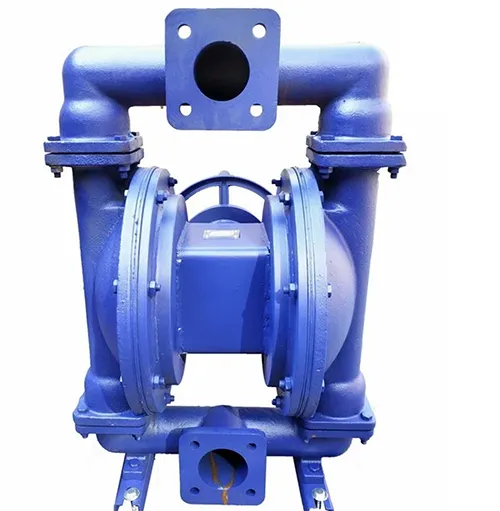
3.Diaphragm Bilge Pump:A positive displacement pump that does not require submersion to operate and excels at pumping upwards from the bilge.
Advantages:Can be installed above the bilge for easy access and maintenance. Well-suited for small and medium-sized boats.
learn more:What is a bilge pump? How does the bilge pump do?
二、Bilge Pumps for boats Selection Calculation
Choosing a suitable marine bilge pump involves a precise calculation process to ensure optimal performance.
1. Estimated Flow Rate
Determine the required flow rate (Q), typically measured in cubic meters per hour (m³/h). This is based on the bilge volume, potential water ingress rate, and the pipe diameter. Establishing the correct flow rate is the first step in pump selection.
2. Determine Total Head
The pump must overcome the total head (H), measured in meters (m). This includes the vertical lift, friction losses from pipe length and bends, and any other resistance in the system..
3. Calculate Pump Power
Based on the flow rate, head, and the fluid's density, calculate the required pump power output in kilowatts (kW).
Pump Power Calculation Formula:
P = (Q×H×SG) ÷(η×3670)
P = Pump power (kW);
Q = Pump flow rate (m³/h);
H = Pump head (mwc);
SG = Specific Gravity of the fluid (kg/m³);
η = Pump efficiency (%);
3670 = Fixed conversion coefficient
4.3670 = Fixed conversion coefficient
Define Pump Selection Parameters
Use the calculated flow rate, head, and power to identify pumps that meet these key parameters, including rated flow, rated head, and rated power.
5.Select the Appropriate Pump Type and Brand
Finalize your choice by selecting a pump type (Centrifugal, Rotary, or Diaphragm) that matches your power, flow, and head requirements. Also, consider factors like service life, ease of maintenance, and price.
Rules for Bilge Pump Layout and Installation.
三、Proper bilge pump installation is crucial for safety and performance. Follow these key rules:
1.Rational Distribution:Bilge pumps for boat should be strategically distributed throughout the vessel's bilge areas to ensure even and efficient drainage of all accumulated water.
2.Optimal Mounting Height: The pump should not be placed too high, as this can lead to air entrainment and loss of prime. A position that is too low increases pipe friction, reducing overall efficiency.
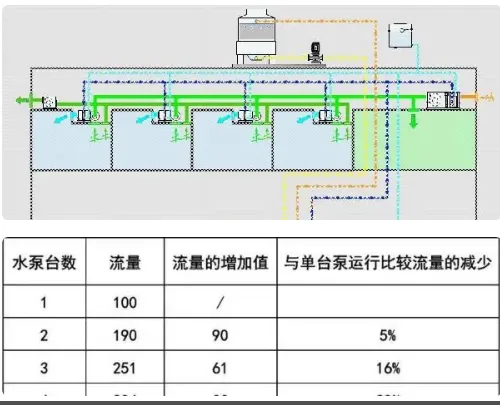
3.Adequate Spacing:Maintain a practical distance (approximately 40-50 meters) between multiple pumps to facilitate easy access for maintenance and repairs.
4. Backup Redundancy:Always install a backup bilge pump to handle emergencies or primary pump failure.
In summary, bilge pump installation must adhere to these principles to guarantee reliable operation. Always consult the specific bilge pump user manual for detailed instructions. Furthermore, pumps should be inspected and maintained before each voyage to ensure normal operation.
四、Determining the Size of Bilge Pumps
The size and specifications of a bilge pump are primarily determined by its inlet and outlet diameters, as well as the pump body's physical dimensions (length, width, height). These parameters vary by brand and model. Selection Examples & Recommendations:
For example:
1000 GPH Bilge Pump: Suitable for medium-sized vessels with moderate displacement and standard drainage needs.
2000 GPH Bilge Pump:Ideal for larger vessels that require higher flow rates or have significant drainage requirements.
Selection Guide
The vessel's hull volume and expected water accumulation rate are the most significant factors. For smaller boats, a bilge pump rated around 500 gallons per hour (GPH) is often sufficient. Larger vessels or those in demanding conditions should consider a 1000 GPH bilge pump or higher. Always account for pipeline friction resistance and water level differences, as these factors can limit the effective flow rate.
If you have any further questions about bilge pumps for boat, please feel free to contact us.
You might also like: